The future of mobility hubs –
digitalisation as a driving force
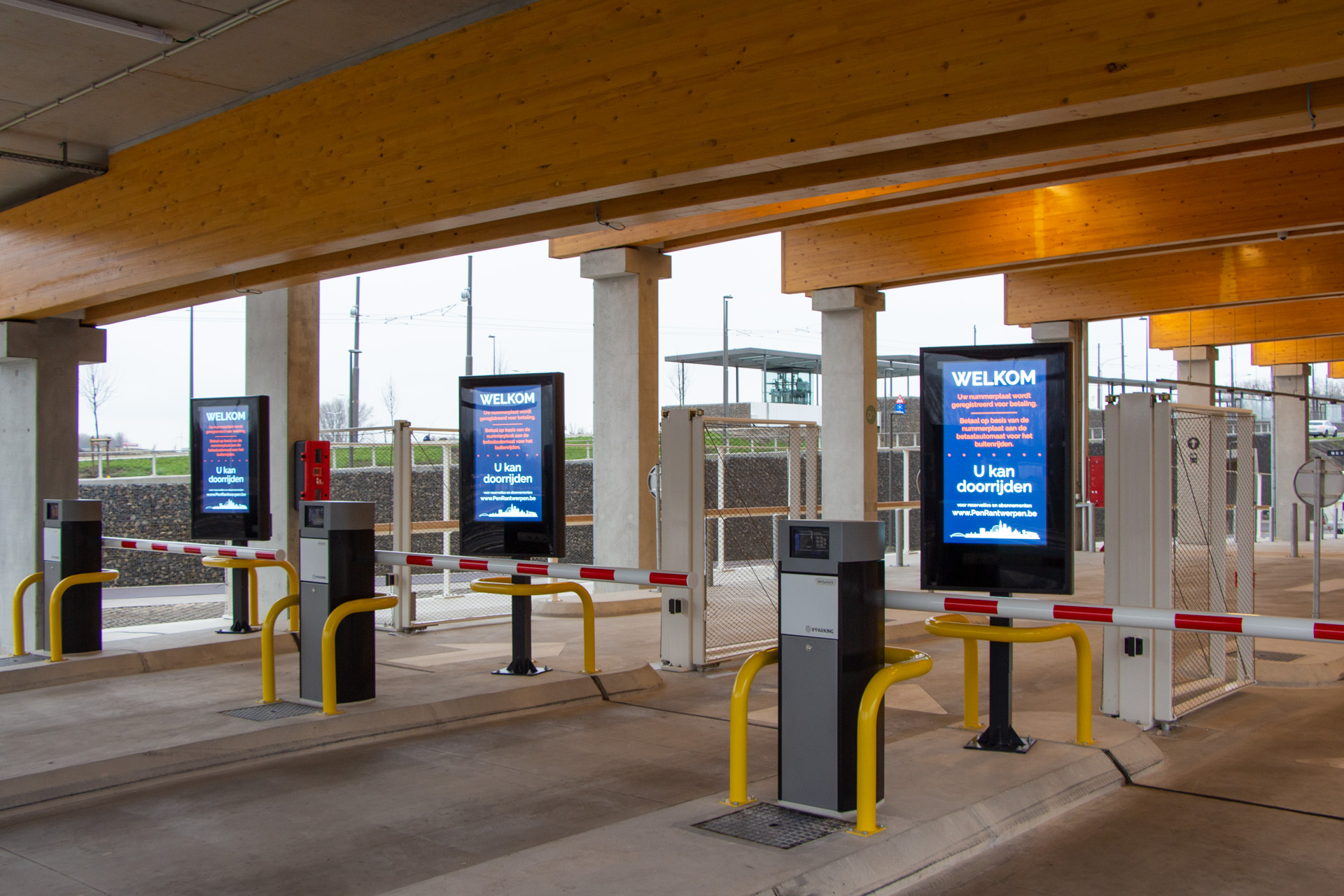
Mobility hubs — public places where transport flows converge — are rapidly developing into the nervous system of the modern city. Not only as a link in public transport, but also as a hub for shared mobility and park-and-ride zones (P+R). They make it possible to switch efficiently between train, bus, tram, (shared) bicycle or (shared) car, thereby reducing traffic congestion in city centres.
Why mobility hubs are becoming increasingly important
In both Belgium and the Netherlands, pressure on urban infrastructure is growing. Cities are grappling with increasing population density, ambitious sustainability goals and travellers who expect greater convenience and reliability. Scientific literature confirms that mobility hubs are crucial to achieving the so-called “modal shift” — or the transition from cars to more sustainable modes of transport (SmartHubs project, Horizon 2020).
Convenient mobility hubs offer a solution to this by:
- Smartly connecting modes of transportation in one location.
- Speeding up the transition between modes of transport, including shared mobility and P+R.
- Reducing traffic pressure in cities by providing an attractive gateway to sustainable alternatives.
Mobility hubs as drivers for a modal shift
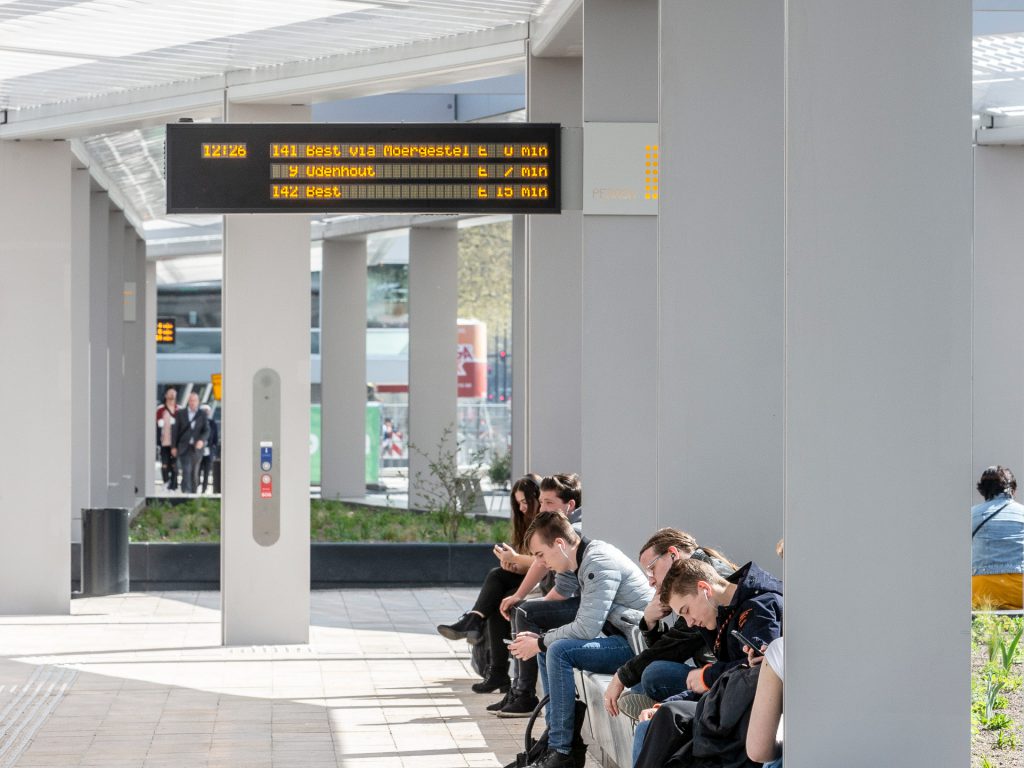
Research (SmartHubs, Horizon 2020) shows that well-designed mobility hubs can accelerate the switch from cars to more sustainable transport by as much as 20 to 30%.
The smart link between public transport, shared mobility and P+R lowers the threshold for leaving the car at home — and increases the use of bicycles, buses, trams and trains.
Smart hubs: from reactive to proactive
A smart mobility hub can automatically suggest alternative routes in the event of traffic jams, delays or overcrowded trains. This is achieved through a combination of sensors, AI and IoT that continuously measure and predict congestion in real time (Mobility Hubs: Review and Future Research Directions, 2022). Examples include:
- Capacity adjustments: e.g. deploying extra buses or shared cars at predicted peak times
- Automatic route changes: e.g. travel apps or dynamic screens showing which tram or bicycle is faster than the delayed train at your location
- Proactive crowd control: e.g. sensors predict crowds on platforms and direct travellers to adjusted walking routes or alternative means of transport to avoid congestion in advance
This means that passengers are not only helped after the fact, but are proactively guided to the best choice. This reduces waiting times, increases the reliability of the journey and, in turn, increases passenger satisfaction.
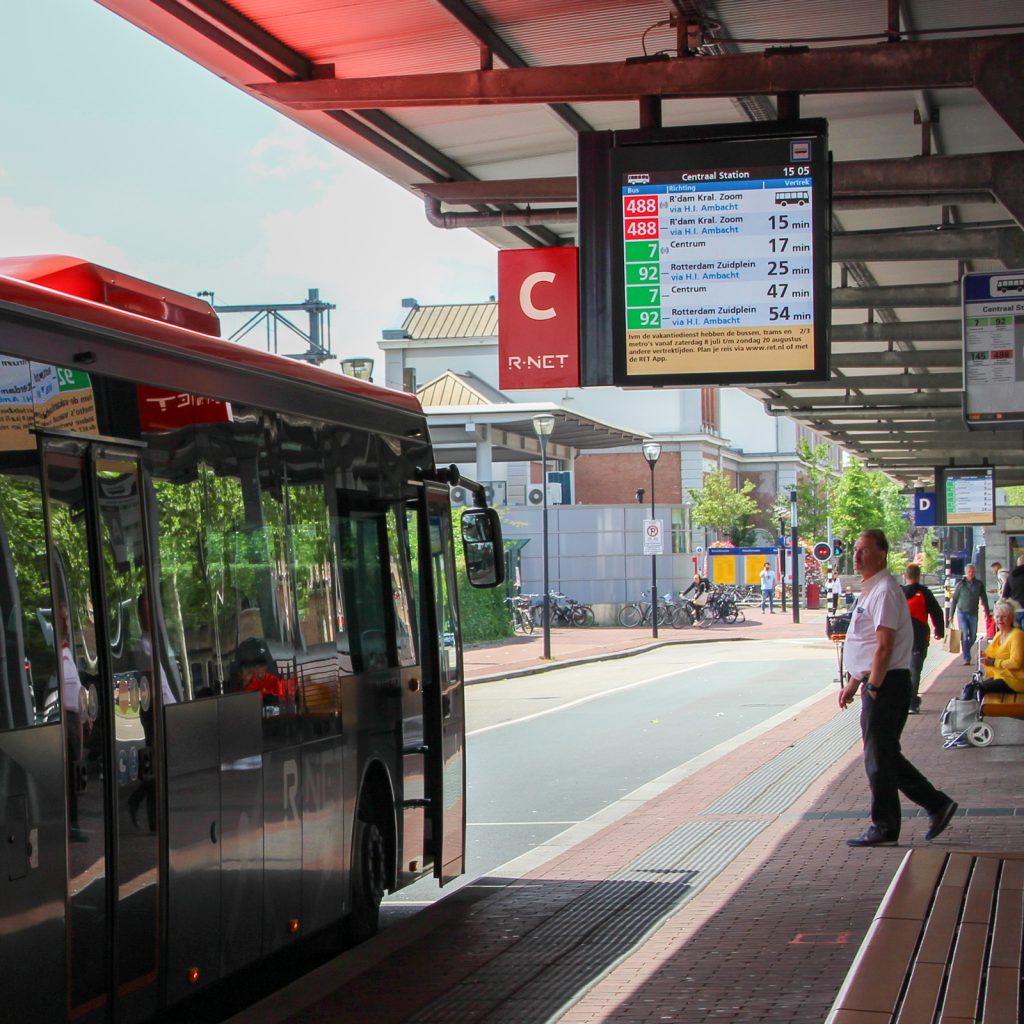
Digital displays as an interface between data and passengers
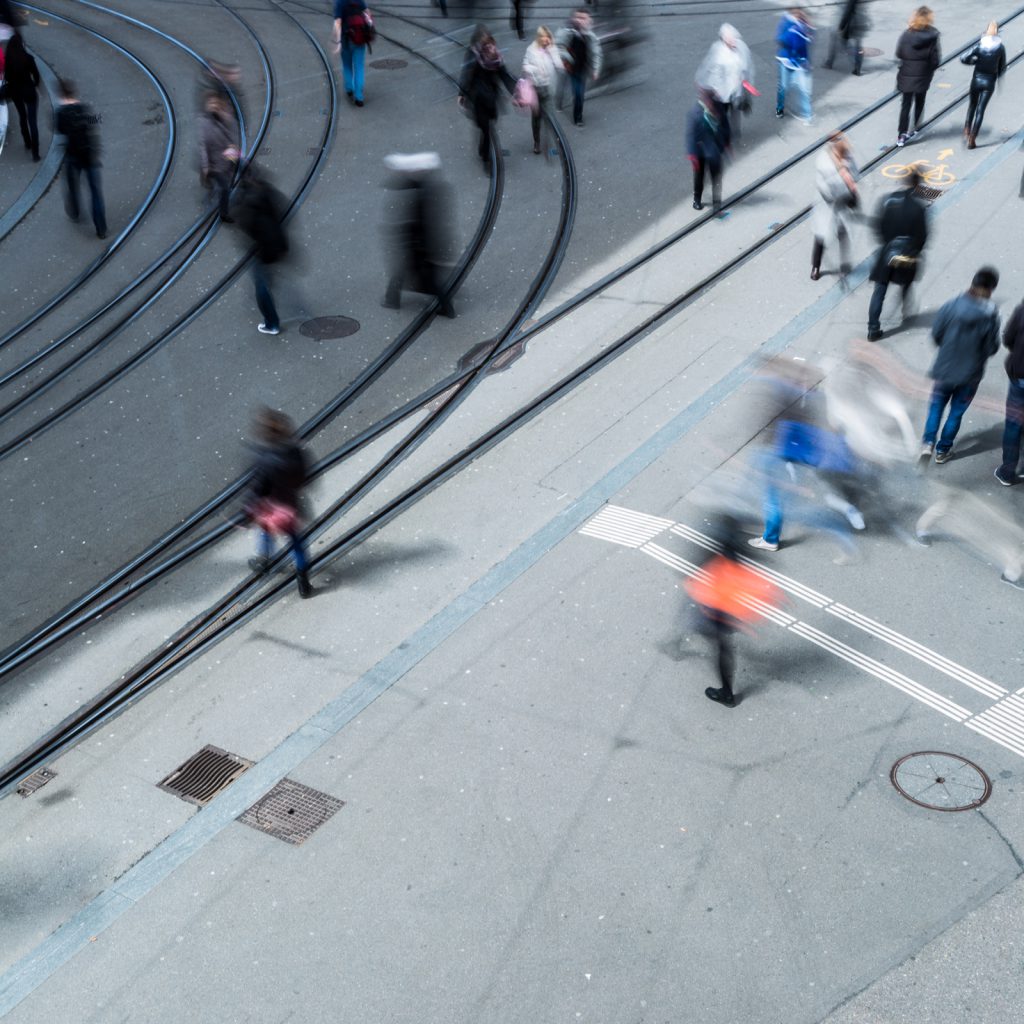
Dynamic information displays play a key role in this new ecosystem. Linked to real-time data streams, they not only display current departure times, but also warnings, route alternatives and traffic flow information.
Research (including SharedUseMobility Centre, 2021) shows that up-to-date, accessible information is one of the most important factors for the widespread acceptance of multimodal travel. For travellers, this means:
- Less waiting time and stress thanks to reliable and up-to-date information.
- Smoother transfers between public transport, shared mobility and P+R.
- Faster decisions (e.g. choosing a different bus or tram connection when the train is delayed).
Human-centred design: the key to success
A successful mobility hub is not determined by technology alone. Socio-spatial and usage barriers play at least as important a role:
- Location determines how attractive and accessible a hub is.
- Safety and social perception are crucial, especially in the evenings.
- Accessibility for everyone, including travellers with disabilities.
- Multilingual and visual communication increases usability for international and low-literate users.
Academic research (KU Leuven, Utrecht University, VUB) emphasises that hubs designed with people in mind are more readily accepted and attract more travellers. Digital screens must therefore not only be functional, but also display up-to-date information in an inclusive and understandable way.
Did you know that at Q-lite, with our in-house R&D department, we invest extra in the development of smart software and a clear display of travel information?
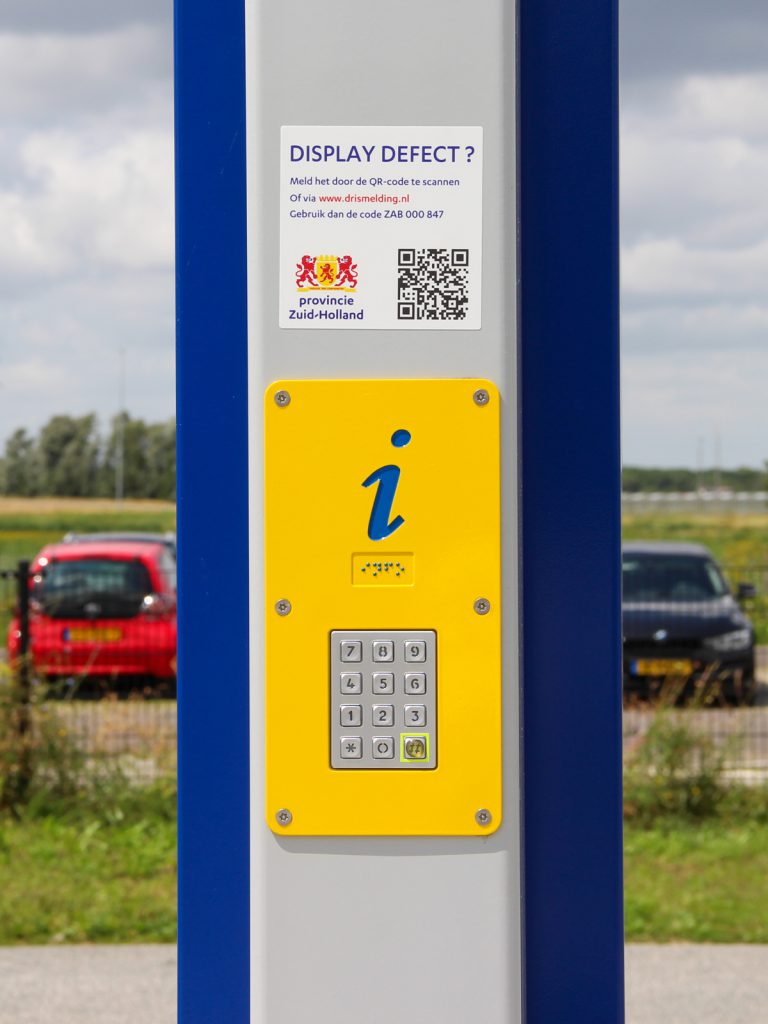

Mobility hub 2035: a preview
Looking ahead to 2035, the prediction is that well-designed mobility hubs in Belgium and the Netherlands will function as fully integrated service hubs:
- They seamlessly connect physical transport with digital services.
- They predict passenger flows and adjust them in real time.
- They will offer a safe, accessible and attractive environment.
- They will use dynamic screens as the primary link between data, the various mobility providers (buses, shared bicycles, etc.) and travellers.
Those who invest today in this combination of smart infrastructure and people-oriented design will reap the benefits tomorrow — in terms of traffic flow, sustainability and traveller satisfaction.
Ready for the mobility hub of the future?
Tomorrow’s mobility hub is smart, data-driven and people-oriented — with digital screens serving as a direct link between data and travellers.
Please contact our mobility advisors Jan and Werner for tailored advice.

jan.van.der.weijden@q-lite.com
+31 6 12 89 85 50

werner.vermonden@q-lite.com
+32 495 29 35 84